PROFI CONSULTING
from 9am to 5pm



No products
Free shipping! Shipping
0,00 €Total
Product successfully added to your shopping cart
( pcs)
Buy for another and get free shipping
You have free shipping!
No products
Rubber hoses have been part of the automotive industry since its inception. They are used for fuel lines, for air in the intake, for water in the cooling system and for vacuum lines. All of these applications have undergone minimal changes over the years and use the same materials with one, at most two layers of inner braid for increased durabil...
Rubber hoses have been part of the automotive industry since its inception. They are used for fuel lines, for air in the intake, for water in the cooling system and for vacuum lines. All of these applications have undergone minimal changes over the years and use the same materials with one, at most two layers of inner braid for increased durability. As a result of years of use, constant temperature changes and mechanical stress, damage can occur that results in leakage of air or of fluids necessary for the vehicle's operation, which can negatively affect its functionality. The solution is to replace the hose with an original one, but this does not solve the problem and the damage may recur.

The long-term development of these systems in motorsport has brought a solution: much more durable silicone hoses with 4 or more layers of polyester braid. Replacing stock rubber hoses with silicone hoses is a common practice in the automotive industry, especially in modified vehicles. Silicone is known for its durability and resistance to wear and mechanical damage. The hoses are less likely to crack or become brittle over time compared to rubber hoses. This durability leads to a longer service life and reduced maintenance requirements.
Silicone hoses can withstand higher temperatures compared to rubber hoses. In modified vehicles, heat often builds up in the engine compartment, and silicone hoses are resistant to it. The hoses retain their structural integrity and flexibility even at temperatures up to 260°C. Low temperatures also have no negative effect on the functionality and durability of silicone materials. Resistance with full functionality extends down to -50°C. If the hoses are located near a heat source (such as the turbo exhaust housing) where temperatures exceed the specified values, we recommend using thermal insulation or insulating sleeves. These shield the hoses from radiant heat and thus extend the life and flexibility of the material.
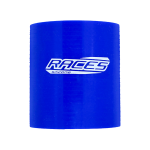
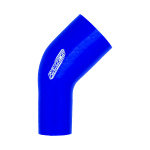
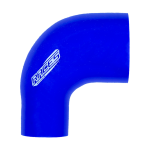
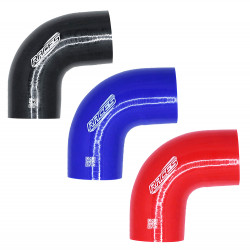
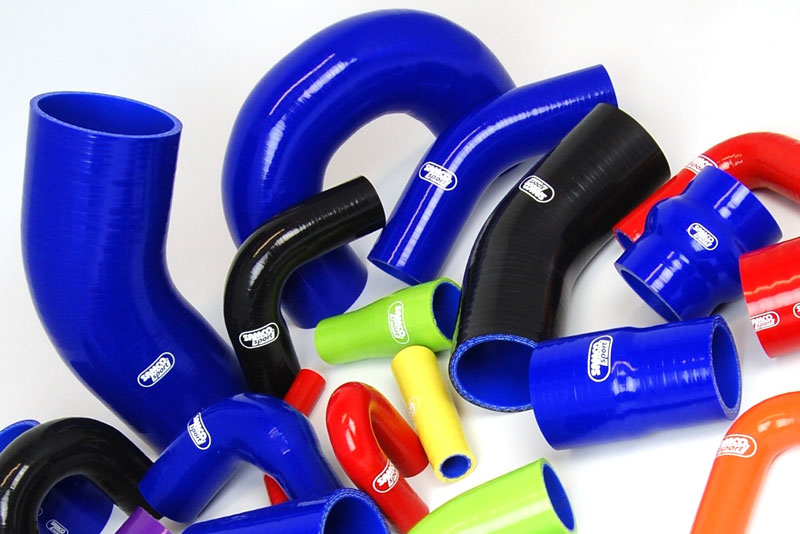
Silicone hoses are more flexible and have a better bend radius than traditional rubber hoses. This flexibility makes them easier to install in tight spaces or around complex engine configurations. Another advantage is the availability of different angles from 45°, through 90° up to 180°, as well as reducers, which allow you to connect different inner diameters. Silicone hoses labelled FLEX can be used in confined spaces and to create complex bends. This is a silicone hose reinforced with steel wire, which prevents it from collapsing at large bend angles. All these advantages allow the hoses to be combined into an endless number of setups.
Silicone is resistant to many chemicals, oils and fluids commonly found in the automotive environment. This resistance makes the hoses less likely to degrade or react with the substances they come into contact with, contributing to better overall performance and reliability. Silicone hoses resist common coolants, oil vapours or fuel (in the case of silicone hoses intended for fuel filler necks and lines). They also resist UV radiation and ozone, which can contribute to the degradation of rubber hoses. However, the high resistance does not allow these products to be used in places such as the brake system or fuel and oil lines. Long-term exposure to these fluids would damage them.
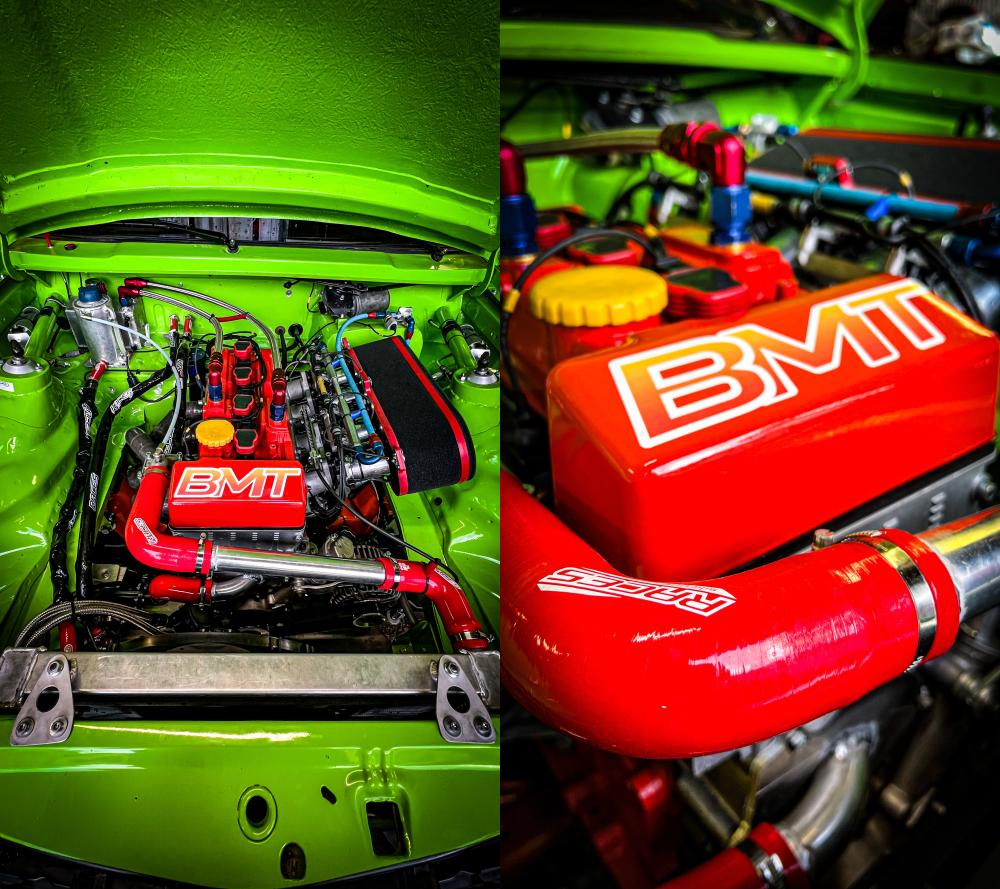
Silicone hoses are not only functional but also an aesthetic benefit for stock or modified vehicles. They come in a variety of colours, allowing colour matching with the rest of the car or contrast for maximum visual impact in the engine compartment. The most common colour is blue, closely followed by red and black for an inconspicuous look, since most stock rubber hoses are also black. However, bolder colours such as green, pink or yellow are also available.

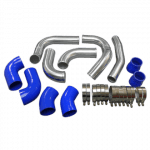
Thanks to these advantages, silicone hoses are a popular solution in professional motorsport as well as in everyday use. Many customers turn to us with damaged stock rubber hoses whose original replacement costs hundreds of euros. In most cases, silicone solutions cost a fraction of the price of OE hoses, whether for passenger cars or trucks. Building a system is based on connecting hoses using aluminium pipes. The reverse approach is also possible: using aluminium pipes with silicone hoses used only to join them. It all depends on the application, method and place of use. In our offer you will find not only universal hoses but also hoses for a specific type of vehicle as a direct replacement for the stock hose. This way, you can replace rubber hoses with silicone ones in a few minutes, without the need to assemble your own system or make additional modifications to the piping or the engine compartment.
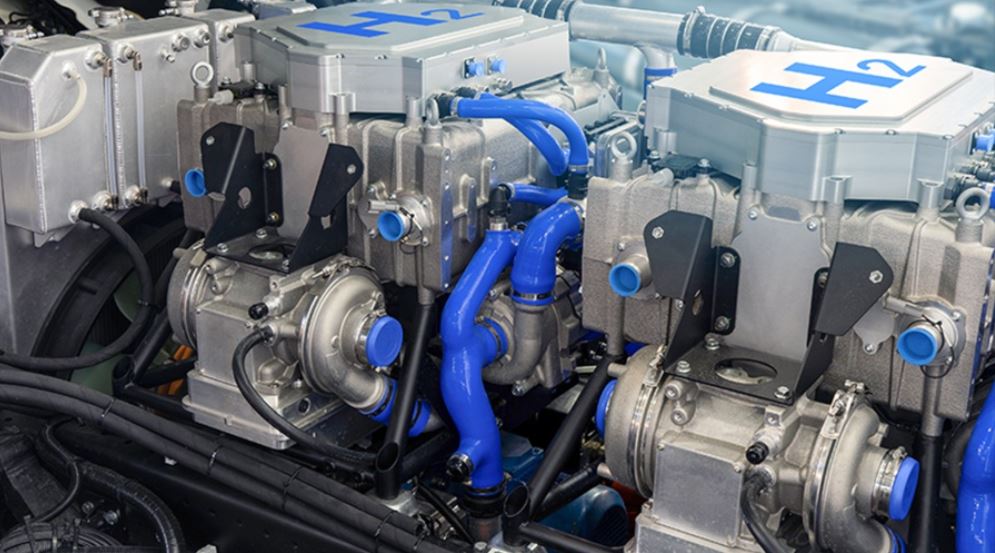
We know from our own experience that silicone hoses can be used in countless applications. Most often in tuning and motorsport, agricultural machinery and trucks. However, we have also encountered their use in various industrial equipment for conveying water or air. The most curious use was as water lines in a pool cleaner.
PRO TIP: For high-pressure applications (for example, connecting the intercooler on turbo engines), we recommend using high-pressure clamps.
Subcategories