FIA President Mohammed Ben Sulayem said: "Today the FIA is defining an extremely exciting future for the pinnacle of motorsport with the launch of a comprehensive new set of regulations for the 2026 FIA Formula One Championship and beyond".
These new rules promise to deliver a more agile, competitive, safer and more environmentally sustainable Formula 1, ensuring the sport remains at the cutting edge of motorsport innovation.
-lighter vehicles by 30 kg ensure more agile fights on the track
-100% sustainable fuels
-redesigned drive unit with increased battery power and equal distribution between combustion engine and electric drive
-active front and rear wings for tighter racing
-increasing power using the battery after pressing the button in the case of a 1-second gap between the vehicles
Engine units with higher performance
While the output of the hybrid unit has dropped from 550-560kW to 400kW, the battery drive has increased from 120kW to 350kW – an almost 300% increase in electric power. The amount of energy that can be recovered during the braking phase is also doubled to up to 8.5 MJ per wheel. Thus, performance is maintained while sustainability is further enhanced. The new regulations led to commitments from existing suppliers Ferrari, Mercedes and Renault – while tempting Honda to return and encouraging the arrival of Audi and Ford, with Ford entering through a partnership with Red Bull Powertrains.
By simplifying the powertrain by removing the MGU-H and expanding the electric power, the 2026 performance is the most relevant it has ever been in Formula 1 and, in conjunction with 100% sustainable fuel, provides a forward-thinking platform for future innovations.
The increase in battery performance also enables the introduction of a short "boost" system (provides power from 350 kW to 337 km/h and +0.5 MJ of energy) after pressing a button by the pilot, which simplifies overtaking. This system will be able to be used if drivers are less than 1 second apart in zones similar to those with DRS.
Aerodynamic innovations
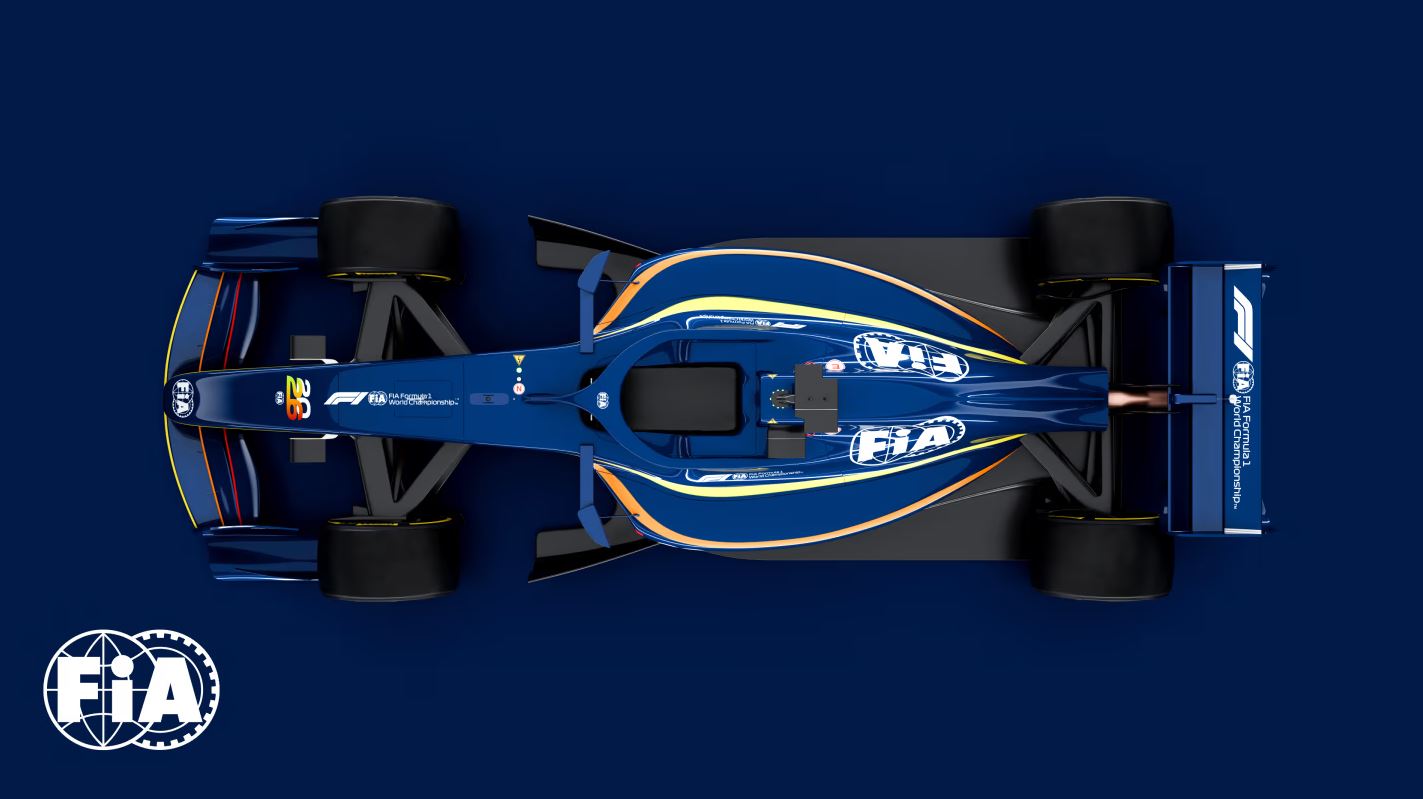
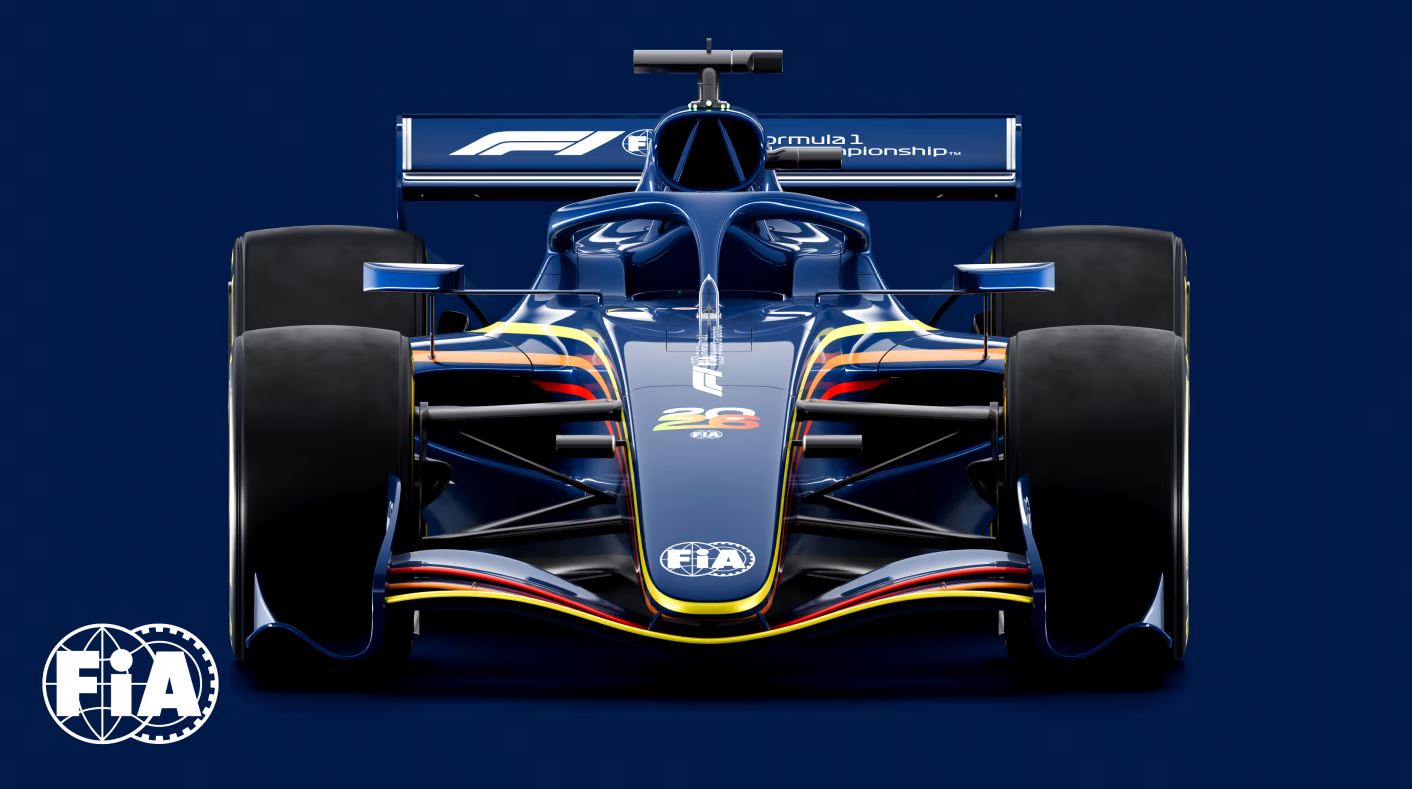
The FIA wants to allow drivers to switch between 2 configurations. With a focus on minimizing fuel consumption or maximizing performance. At the same time, revolutionary elements of active aerodynamics will be introduced, which will make it possible to control the front and rear wings. This solution allows you to set active aerodynamics for the fastest possible passage through a series of turns, and the second setting will ensure minimum air resistance on long straights during close battles. Aerodynamics will also be aided by the vehicle's smaller overall size and low weight.
The rear wing will consist of three active elements. The front wing will undergo a change of narrowing by 100 mm, the installation of a two-element active flap and the simplification of the end plates. The vehicles will have a partially flat floor and a diffuser with a lower downforce, which will reduce the effect of sticking to the road and the dependence of the cars on a low setting.

Lighter and smaller single-seaters
In an effort to create a more agile single-seater, the maximum wheelbase has been reduced by 200mm to 3400mm, while the width has been reduced by 100mm to 1900mm. The total weight has also been reduced, with cars by 2026 having a minimum permitted weight of 768 kg, which is a reduction of up to 30 kg compared to 2022. It consists of 722 kg of car and driver + 46 kg of estimated tyre weight. The FIA also claims that downforce will be reduced by 30% and drag by 55%.
The 18-inch wheel size introduced in 2022 remains, but the width of the front tyres has been reduced by 25 mm and the width of the rear tyres by 30 mm. However, Pirelli claims that there will be minimal loss of grip in comparison.
Safety
The revised frontal crash regulations introduce a two-stage structure to avoid incidents where the front crash structure breaks off near the monocoque after the first crash, leaving the car unprotected in a subsequent crash. Side impact protection was increased. The new specification provides improved intrusion protection around the cockpit and driver's head and more than doubles the protection of the side of the fuel tank. The FIA takes care to improve safety without the need to increase the weight of the single-seater. The main arch load increased from 16G to 20G and the test load increased from 141kN to 167kN. The lights on the rear wing will be homologated and significantly more visible/brighter than the current ones. At the same time, side safety lights will be introduced to identify the ERS status (when stopped on the track).
At the same time, the GPS antennas will be relocated to improve sensitivity.
Sustainability
From 2026, Formula 1 power units will be powered by fully sustainable fuel, underscoring a commitment to environmentally responsible racing and setting a new standard for motorsport with a promise of zero emissions by 2030. Sustainability will be enhanced by greater use of electricity in the units for 2026 and a shift to 50% electrical and 50% thermal distribution of the engine.
Related products

FERRARI Race BB Mens Cap, red
Men driver t-shirt Mercedes AMG Petronas ESS F1 - Black
Men t-shirt ASTON MARTIN F1 - Green